
Understanding the Role of Technology in Literacy Development
JT
The Impact of Technology on Literacy Development
The role of technology in literacy development has become increasingly significant. As traditional reading and writing methods evolve, technology offers new tools and platforms that enhance learning experiences. Understanding how technology influences literacy is crucial for educators, parents, and students alike.
Enhancing Engagement Through Digital Tools
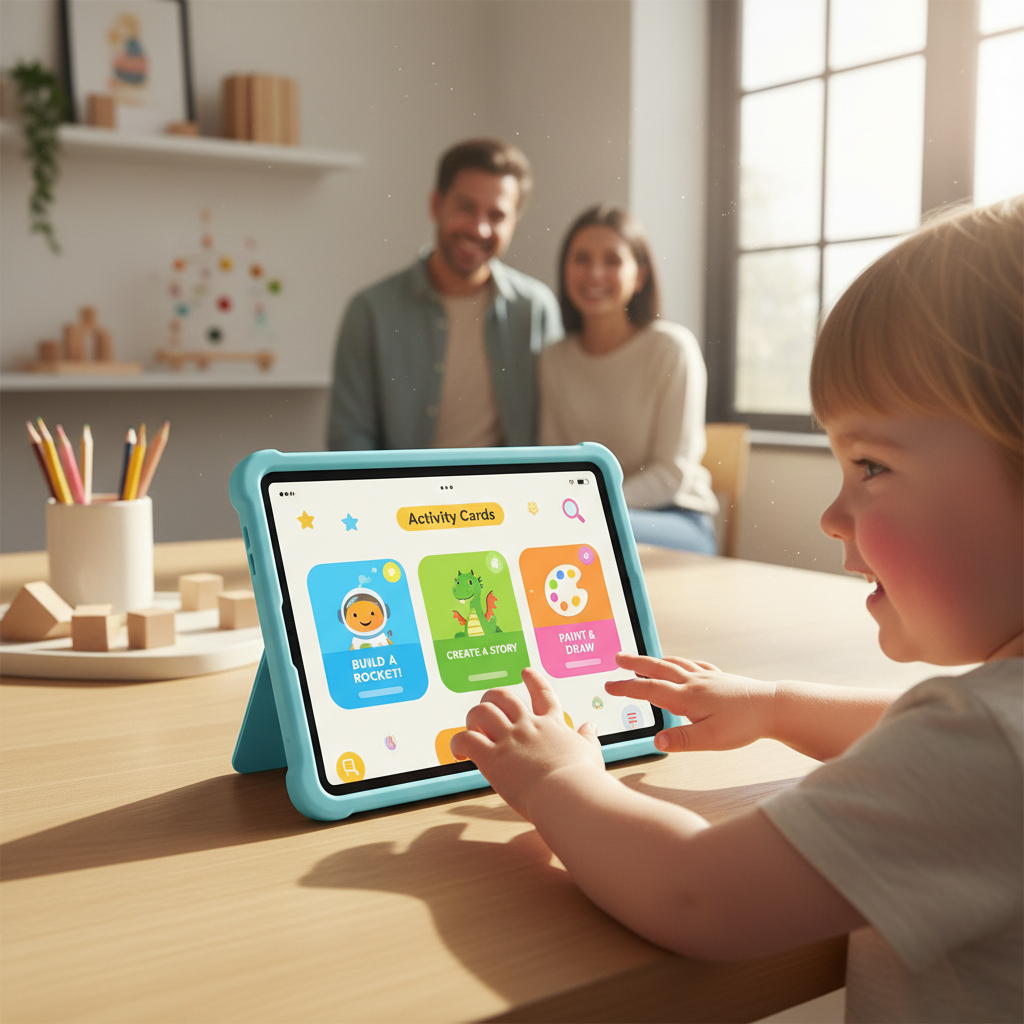
One of the primary benefits of technology in literacy development is its ability to engage learners. Digital tools, such as interactive e-books and educational apps, provide interactive experiences that captivate students’ attention. By incorporating multimedia elements like audio and video, these tools can make learning more dynamic and enjoyable.
Moreover, technology allows for personalized learning. Many educational platforms adapt content based on a learner’s progress, offering targeted exercises and feedback. This personalized approach helps address individual learning needs, fostering better understanding and retention.
Access to a Wealth of Resources
Technology also provides access to an extensive array of resources. Online libraries, educational websites, and digital archives offer a vast collection of reading materials that are easily accessible. This abundance of resources enables learners to explore diverse topics and perspectives, broadening their knowledge and critical thinking skills.

Furthermore, technology bridges the gap for students in remote or underserved areas. With internet access, learners can connect with educational content and resources that may not be available locally, ensuring equal opportunities for literacy development.
Developing Digital Literacy Skills
Incorporating technology in literacy education is not only about reading and writing but also about developing digital literacy skills. Understanding how to navigate digital platforms, evaluate online content, and communicate effectively in digital spaces is essential in the modern world.
Educators play a crucial role in guiding students to develop these skills. By integrating technology into the curriculum, teachers can help students become proficient in using digital tools, preparing them for future academic and career challenges.

Challenges and Considerations
Despite its many advantages, the integration of technology in literacy development also presents challenges. Issues such as screen time management, digital distractions, and ensuring equitable access to technology must be addressed to maximize the benefits.
It is essential for educators and parents to strike a balance between traditional literacy practices and technological advancements. Encouraging a healthy mix of both can lead to well-rounded literacy skills that are adaptable to various contexts.
The Future of Literacy and Technology
As technology continues to evolve, its role in literacy development will likely expand. Emerging technologies such as artificial intelligence and virtual reality hold the potential to further transform how we teach and learn literacy skills.
Staying informed about these advancements is crucial for educators and parents. By embracing the potential of technology while addressing its challenges, we can create a future where literacy development is more engaging, inclusive, and effective than ever before.