
Understanding Autism: Building Awareness and Acceptance
JT
Understanding Autism: Building Awareness and Acceptance
Autism Spectrum Disorder (ASD) - is a developmental disorder that affects -
- Communication
- Behaviour and,
- Social interaction.
With increased Awareness, more people are coming to understand that autism is a spectrum, meaning it affects individuals in different ways and to varying degrees. Understanding these nuances is crucial for fostering a more inclusive society.
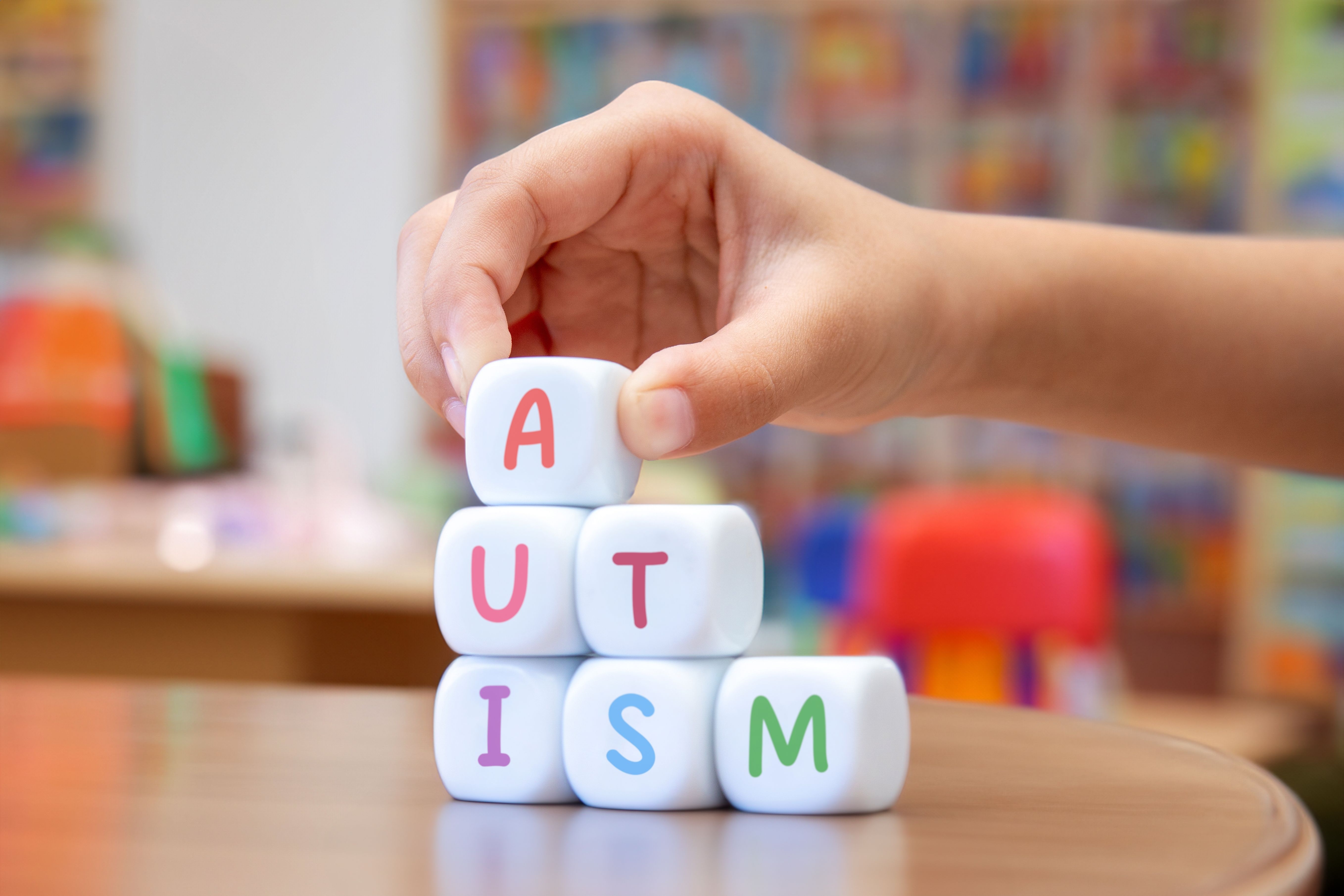
What is Autism?
Autism is characterised by a range of symptoms, which may include challenges with communication, difficulty understanding social cues, and repetitive behaviours. Each individual's experience is unique, and while some may require significant support, others may live independently.
It is important to recognise that autism is not an illness but a different way of experiencing the world. Individuals with autism often have strengths such as attention to detail and exceptional memory, which should be celebrated.
Raising Awareness
Awareness is the first step toward acceptance. By educating ourselves and others about autism, we can dispel myths and break down stereotypes. Initiatives such as World Autism Awareness Day and Autism Acceptance Month aim to highlight the strengths and challenges faced by those on the spectrum.

To foster understanding, it is beneficial to listen to the voices of those with autism and their families. Personal stories and experiences provide valuable insights into the daily realities of living with autism.
Encouraging Acceptance
Acceptance goes beyond awareness. It involves embracing individuals with autism as valued members of society. This can be achieved by creating supportive environments in schools, workplaces, and communities. Simple adjustments, such as sensory-friendly spaces and clear communication, can make a significant difference.
- Promote inclusive education.
- Encourage autism-friendly workplaces.
- Support community programs that cater to diverse needs.
The Role of Families and Friends
Families and friends play a crucial role in the lives of individuals with autism. Providing support, understanding, and advocacy can help build confidence and independence. It’s essential to celebrate achievements, no matter how small, and offer encouragement during challenging times.

By fostering a network of support, we can create a nurturing environment where individuals with autism can thrive.
Conclusion
Building awareness and acceptance of autism is an ongoing journey. It requires a collective effort from individuals, communities, and organizations. By embracing diversity and promoting inclusivity, we can create a world where everyone, regardless of their neurological differences, is valued and respected.