
The Role of YouTube in Modern Digital Literacy Education
JT
Understanding Digital Literacy
In today's fast-paced digital world, digital literacy is more crucial than ever. It encompasses the ability to find, evaluate, and utilize information effectively, which is vital for navigating the internet and its vast resources. As a platform, YouTube plays a significant role in modern digital literacy education, offering a wide array of content that caters to diverse learning needs.
YouTube as an Educational Resource
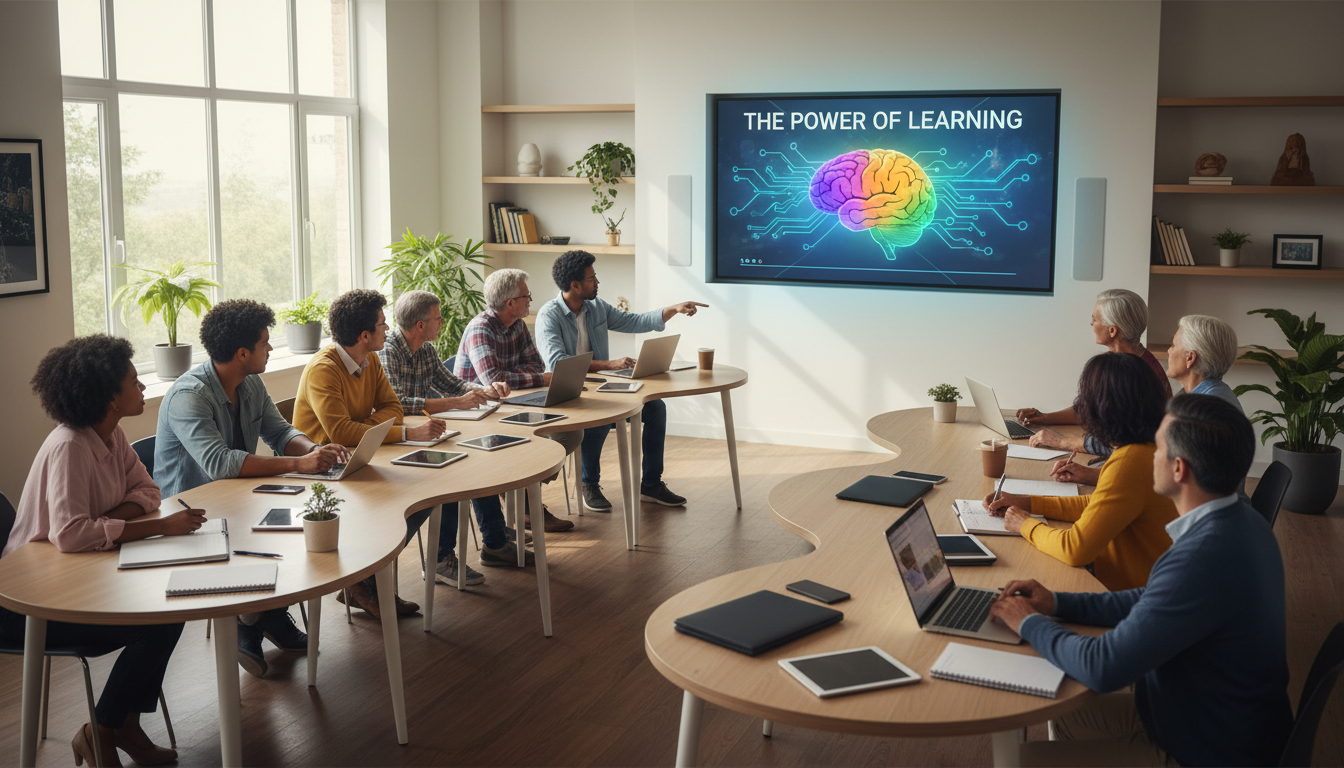
YouTube is not just a platform for entertainment; it's a powerful educational resource. With millions of educational channels, it provides content on nearly every subject imaginable. From tutorials and lectures to documentaries and how-to videos, YouTube offers an alternative to traditional learning methods, making education more accessible.
One of YouTube's strengths is its ability to reach a global audience. Users can access content in multiple languages, allowing for a more inclusive learning experience. This accessibility makes it a valuable tool for promoting digital literacy across diverse populations.
Interactive Learning
Beyond passive watching, YouTube encourages interactive learning. Users can engage through comments, share videos, and participate in live streams. This interaction fosters a community of learners who can exchange ideas, ask questions, and collaborate on projects.

Developing Critical Thinking Skills
YouTube also aids in the development of critical thinking skills. By exposing viewers to various perspectives and content types, it encourages them to evaluate information critically. This process helps learners discern credible sources and form well-rounded opinions.
- Identifying credible sources
- Analyzing different viewpoints
- Reflecting on new information
Challenges and Considerations
Despite its benefits, using YouTube for digital literacy education presents challenges. The platform is filled with an overwhelming amount of content, some of which may be misleading or biased. Educators and learners must be vigilant in vetting sources to ensure the information is accurate and reliable.

The Future of YouTube in Education
As digital literacy continues to evolve, YouTube's role in education is likely to expand. Innovations such as virtual reality and artificial intelligence could further enhance the learning experience, providing more immersive and personalized educational content.
Moreover, collaborations with educational institutions could lead to more structured and accredited learning opportunities, further solidifying YouTube's position as a critical tool in digital literacy education.
Conclusion
In conclusion, YouTube is a vital component of modern digital literacy education. It offers a diverse range of content that enhances learning experiences, fosters critical thinking, and promotes global accessibility. As we navigate the digital age, leveraging platforms like YouTube will be essential for empowering learners worldwide.