
The Essential Guide to Phonics: Building Strong Reading Foundations
JT
Understanding Phonics
Phonics is a method of teaching reading and writing by developing learners' phonemic awareness. It helps learners understand the relationship between letters and sounds, forming the foundation for reading skills. By mastering phonics, learners can decode new words, improve spelling, and enhance their reading fluency.
The phonics approach focuses on the sounds of letters and how they combine to form words. This is crucial for young learners, as it equips them with the tools to read and write independently.

Why Phonics Matters
Phonics is not just about recognising letters and sounds; it plays a vital role in overall literacy development. It enables learners to break down words into their component sounds and blend them, making reading a more intuitive process.
Research shows that systematic phonics instruction is more effective than non-systematic or no phonics instruction. This method helps learners of various ages and abilities, ensuring that they build a strong reading foundation from the start.

Components of Phonics
1. Phonemic Awareness
Phonemic awareness is the ability to identify and manipulate individual sounds in spoken words. It is the most advanced level of phonological awareness and a critical component of phonics instruction.
2. Alphabetic Principle
The alphabetic principle involves understanding that letters represent sounds, and these letters form words. Recognising letter-sound relationships is fundamental to decoding new words.

Strategies for Teaching Phonics
Effective phonics instruction includes a variety of strategies to cater to different learning styles. Here are a few methods educators can use:
- Blending: Teaching children to blend individual sounds to form words.
- Segmenting: Breaking down words into individual sounds to improve spelling and pronunciation.
- Letter-Sound Correspondence: Associating sounds with written letters to enhance reading fluency.
Phonics and Fun
Incorporating games and activities can make phonics instruction more engaging. Interactive games, rhymes, and songs can help reinforce phonemic awareness and make learning enjoyable for children.
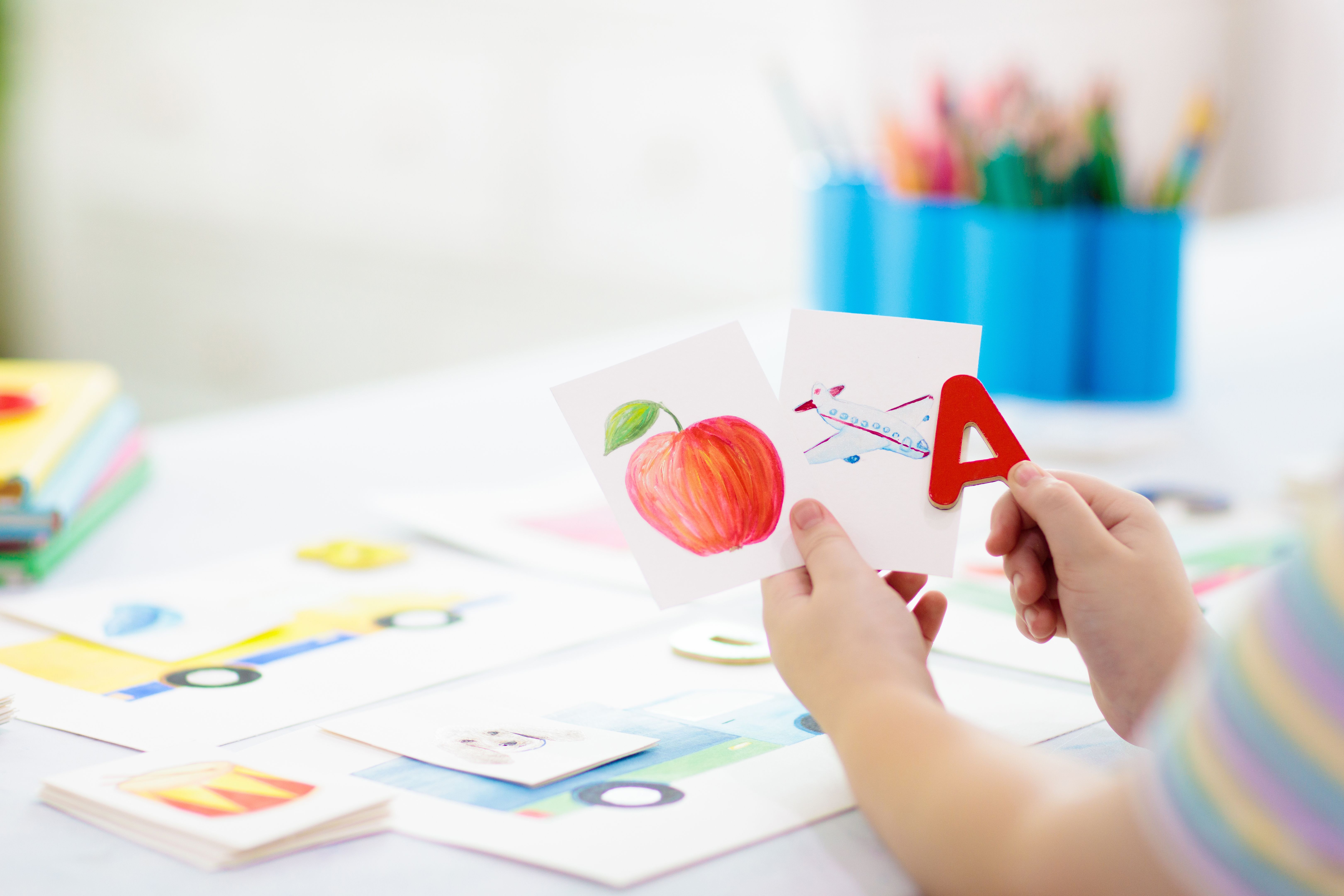
Teachers and parents can use resources like flashcards, online phonics games, and storybooks to make the learning process dynamic and interactive.
Conclusion
Phonics is an essential component of literacy education, providing children with the skills they need to become proficient readers and writers. By understanding the sounds of language and how they relate to letters, children can unlock the world of reading.
Investing in a strong foundation through phonics will not only improve reading skills but also boost confidence and foster a lifelong love for reading. Whether you're a teacher or a parent, incorporating phonics into early education is a step towards brighter learning futures.