
Sustainable Tech: Balancing Innovation and Environmental Responsibility
JT
Understanding Sustainable Technology
The rapid advancement of technology has undoubtedly transformed our lives, but it's essential to balance this progress with environmental responsibility. Sustainable tech aims to achieve this equilibrium by innovating in ways that minimise environmental impact while still driving economic growth and societal benefits.

The Importance of Eco-Friendly Design
Eco-friendly design is at the heart of sustainable technology. By incorporating principles such as energy efficiency and resource conservation, companies can create products that are both innovative and environmentally conscious. This approach not only reduces waste but also ensures that resources are used more effectively.
Key elements of eco-friendly design include:
- Using recyclable or biodegradable materials
- Implementing energy-efficient manufacturing processes
- Designing products for longer lifespans
Renewable Energy Integration
Integrating renewable energy sources is a critical aspect of sustainable tech. By harnessing power from the sun, wind, and other renewable sources, technology can significantly reduce its carbon footprint. This shift not only supports environmental goals but also leads to cost savings and energy independence.

Smart Grids and Energy Storage
Smart grids and advanced energy storage solutions are revolutionising how we manage and distribute energy. These technologies improve the efficiency and reliability of energy supply, making it easier to integrate renewable sources and reduce reliance on fossil fuels.
Innovations in Sustainable Materials
Advancements in materials science are paving the way for more sustainable tech products. From biodegradable plastics to carbon-neutral materials, the development of these innovations is crucial for reducing the environmental impact of technology production and disposal.

Recycling and Circular Economy
Recycling and the circular economy play a vital role in sustainable tech. By designing products for easy disassembly and reuse, companies can minimise waste and create a more sustainable lifecycle for their products. This approach not only benefits the environment but also enhances brand reputation and customer loyalty.
The Role of Policy and Regulation
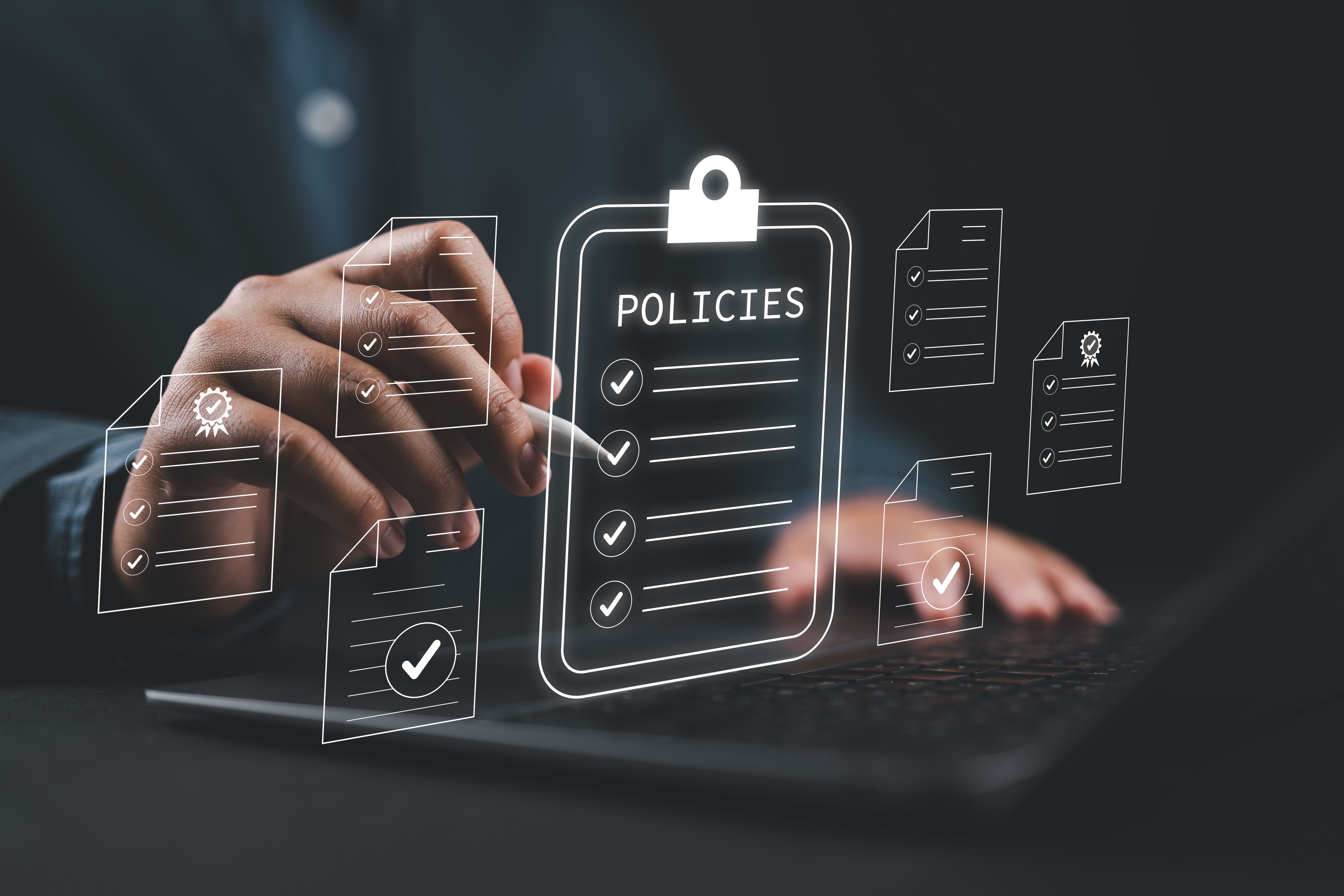
Government policies and regulations are essential in promoting sustainable technology. By setting standards and providing incentives, governments can encourage companies to adopt environmentally friendly practices. These measures can drive innovation and ensure that sustainability remains a priority in the tech industry.
Corporate Responsibility and Consumer Demand
Consumer demand for sustainable products is growing, and companies must respond to this trend. By prioritising sustainability, businesses can align with consumer values and differentiate themselves in the market. Corporate responsibility initiatives also play a significant role in enhancing a company's image and fostering trust with stakeholders.
Conclusion: The Path Forward
Balancing innovation with environmental responsibility is a complex but necessary challenge. By embracing sustainable technology, we can create a future where economic growth and environmental stewardship go hand in hand. As consumers, companies, and governments work together, the potential for positive change is immense.