
How Smartphones Are Revolutionising Literacy Education
JT
The Rise of Smartphones in Literacy Education
In recent years, smartphones have become ubiquitous, transforming various aspects of our lives, including education. These pocket-sized devices are playing a pivotal role in revolutionising literacy education, offering innovative ways to engage learners and enhance their reading and writing skills.

Accessibility and Convenience
One of the most significant advantages of smartphones is their accessibility. Unlike traditional educational resources, smartphones are widely available and often more affordable. This accessibility allows students from diverse backgrounds to access quality educational content anytime and anywhere, breaking down geographical and economic barriers.
Moreover, the convenience of smartphones makes learning more flexible. Students can engage with educational materials during their commute, in between activities, or whenever they have free time. This flexibility encourages continuous learning and helps students integrate education into their daily routines.
Interactive Learning Apps
Smartphones host a plethora of interactive learning apps designed to enhance literacy skills. These apps often use gamification, turning learning into an engaging experience. By incorporating elements like quizzes, challenges, and rewards, students are motivated to learn and practice more.
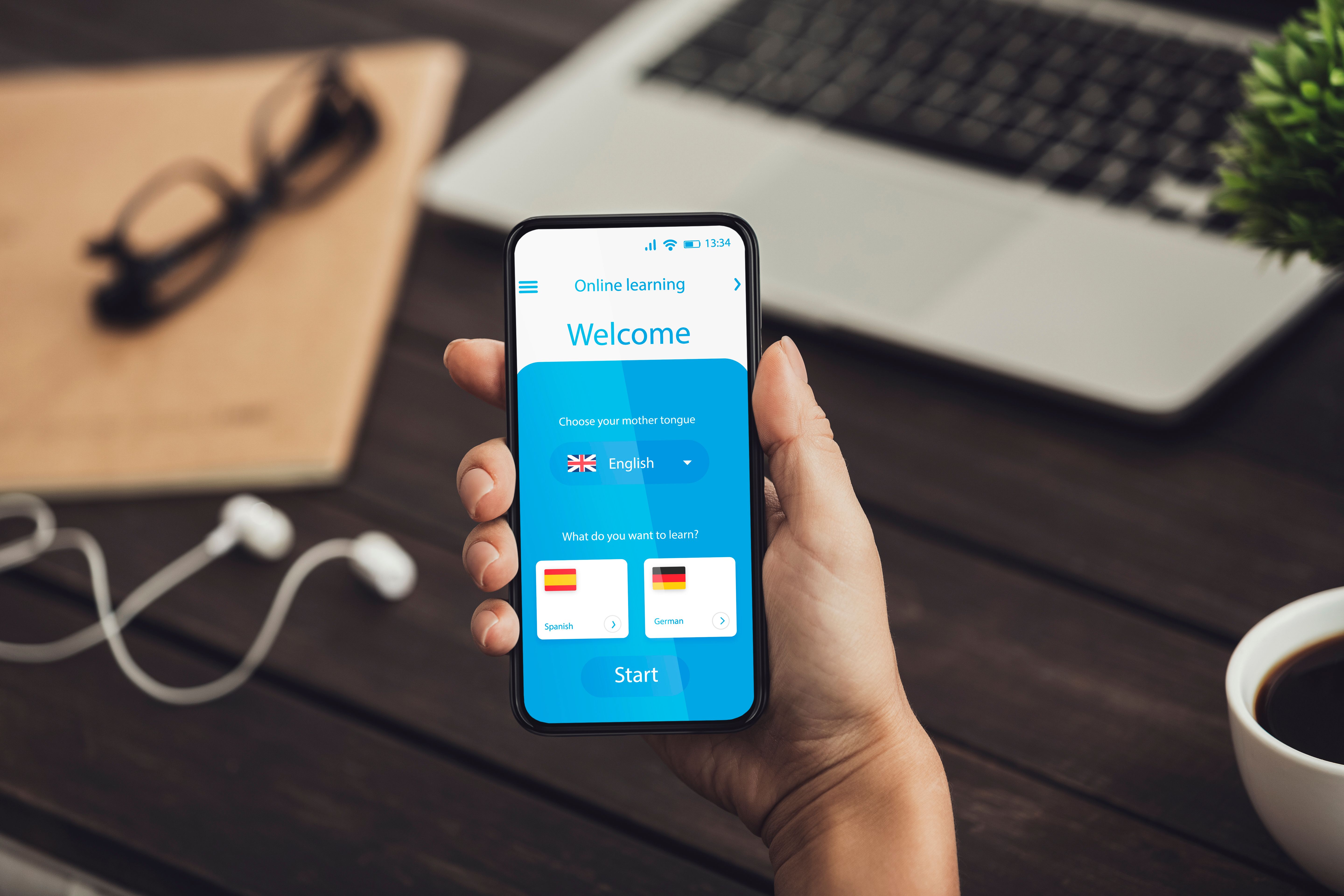
Some apps also offer personalised learning experiences by adapting to the user's skill level and learning pace. This customisation ensures that each student receives a tailored educational experience, promoting more effective learning outcomes.
Digital Libraries and E-books
Smartphones provide access to vast digital libraries and e-books, offering students an extensive range of reading materials. This abundance of resources enables learners to explore various genres, authors, and topics, fostering a love for reading.
In addition to traditional texts, many digital libraries offer audiobooks, which can be particularly beneficial for learners with reading difficulties or those who prefer auditory learning. Audiobooks also allow students to enjoy literature while multitasking, further integrating learning into daily life.

Connecting with Educators and Peers
Smartphones facilitate communication between students, educators, and peers through various platforms. Messaging apps, social media, and online forums create opportunities for collaborative learning and discussions. This connectivity helps students clarify doubts, share insights, and gain diverse perspectives.
Teachers can also leverage smartphones to provide instant feedback, share resources, and monitor student progress. This constant connection ensures that learning support is always within reach, enhancing the overall educational experience.
Challenges and Considerations
Despite the numerous benefits, the integration of smartphones in literacy education also presents challenges. Issues such as screen time management, distractions, and the digital divide need to be addressed to ensure effective learning.
Educators and policymakers must work together to develop guidelines and strategies to maximize the potential of smartphones in education while mitigating potential drawbacks. By doing so, they can harness the power of technology to foster a more literate and informed society.