
Essential Digital Skills for the Future Workforce
JT
Understanding the Importance of Digital Skills
In a rapidly evolving job market, possessing essential digital skills is no longer optional; it's a necessity. As technology continues to transform industries, the future workforce must be equipped with the right tools to thrive. Whether you're entering the job market or looking to upskill, understanding these competencies is crucial.
Core Digital Skills for the Modern Professional
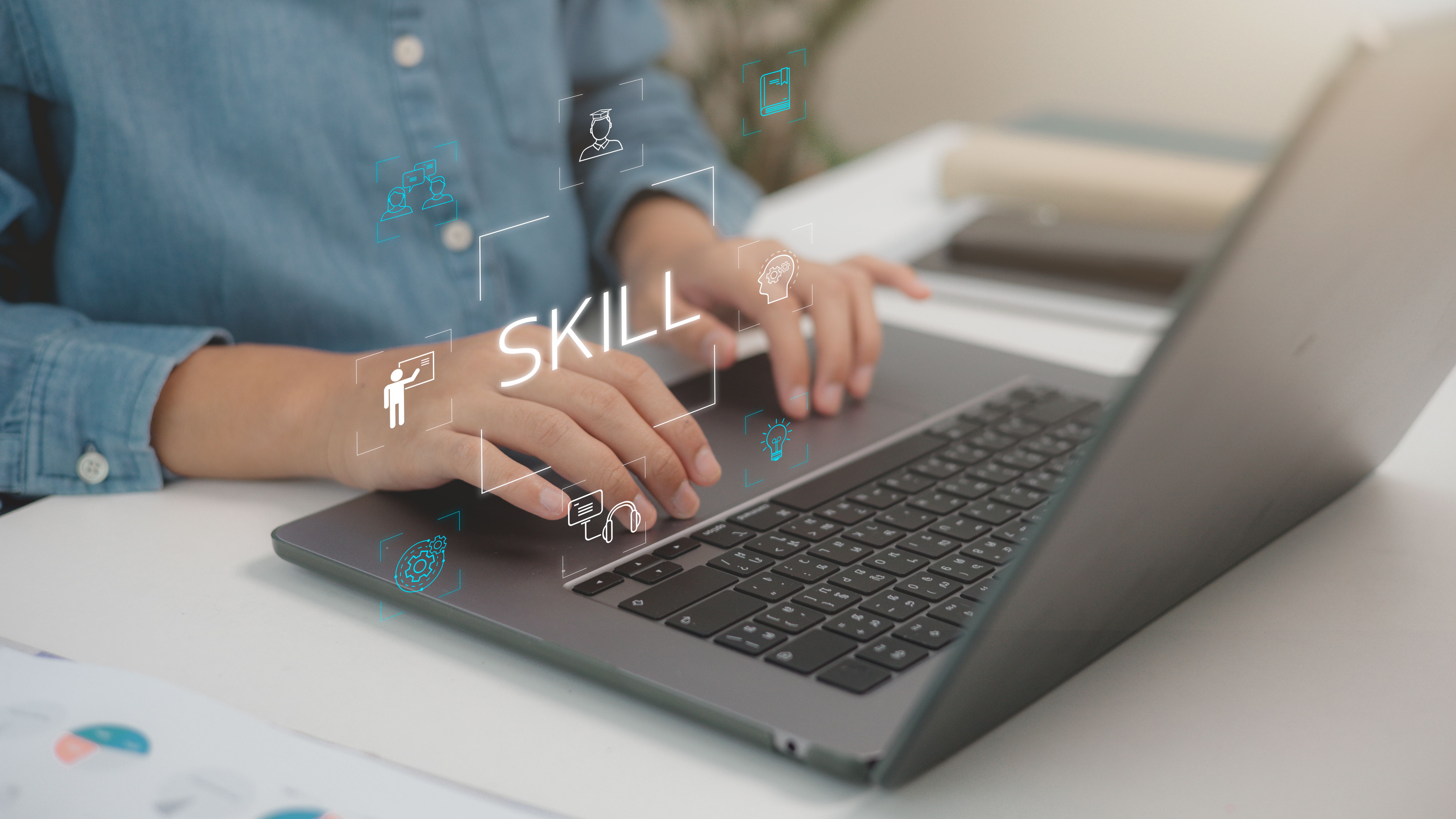
The modern professional must be well-versed in several core digital skills. These skills form the foundation of most jobs today, regardless of the industry. Some of the most important skills include:
- Data Literacy: The ability to read, understand, and utilise data effectively.
- Digital Communication: Proficiency in using digital platforms for effective communication.
- Cybersecurity Awareness: Understanding the basics of protecting sensitive information online.
- Technical Proficiency: Familiarity with essential software and tools relevant to your field.
Emerging Technologies and Their Impact
As we look to the future, emerging technologies are set to redefine the workplace. Professionals need to be aware of these technologies and how they impact their roles. Key areas include:
- Artificial Intelligence and Machine Learning
- Blockchain Technology
- Internet of Things (IoT)
- Cloud Computing
Staying informed about these technologies can provide a competitive edge.

Developing Digital Problem-Solving Skills
Digital problem-solving is an essential skill for tackling complex challenges in the workplace. This involves using technology to analyse problems, develop solutions, and implement changes effectively. Professionals who can navigate digital tools to address issues are highly valued in today's workforce.
Collaborating in a Digital Environment
With remote work becoming more prevalent, the ability to collaborate in a digital environment is crucial. This includes using collaboration tools like video conferencing software, shared documents, and project management platforms. Effective digital collaboration ensures productivity and seamless teamwork, even from afar.

Lifelong Learning and Adaptability
The digital landscape is constantly changing, making lifelong learning and adaptability essential traits. Professionals should be committed to continuous learning, whether through online courses, workshops, or self-study. Being adaptable allows individuals to embrace change and seize new opportunities as they arise.
Conclusion: Preparing for the Future
As the digital world continues to evolve, preparing for the future workforce involves more than just acquiring skills, it's about cultivating a mindset of growth and adaptability. By embracing these essential digital skills, individuals can position themselves for success in a dynamic job market, ready to tackle the challenges and opportunities of tomorrow.