
Decoding Individual Education Plans (IEP)
JT
Understanding the Basics of IEPs
An Individual Education Plan (IEP) is a crucial tool in ensuring that students with special needs receive tailored educational support. These plans are designed to address unique learning challenges and help students achieve their educational goals. By understanding the components and processes involved, parents and educators can better advocate for the needs of the child.
IEPs are legally binding documents in many countries, and they involve collaboration between educators, parents, and specialists. This collaborative approach ensures that each student's individual needs are met, fostering a supportive learning environment.
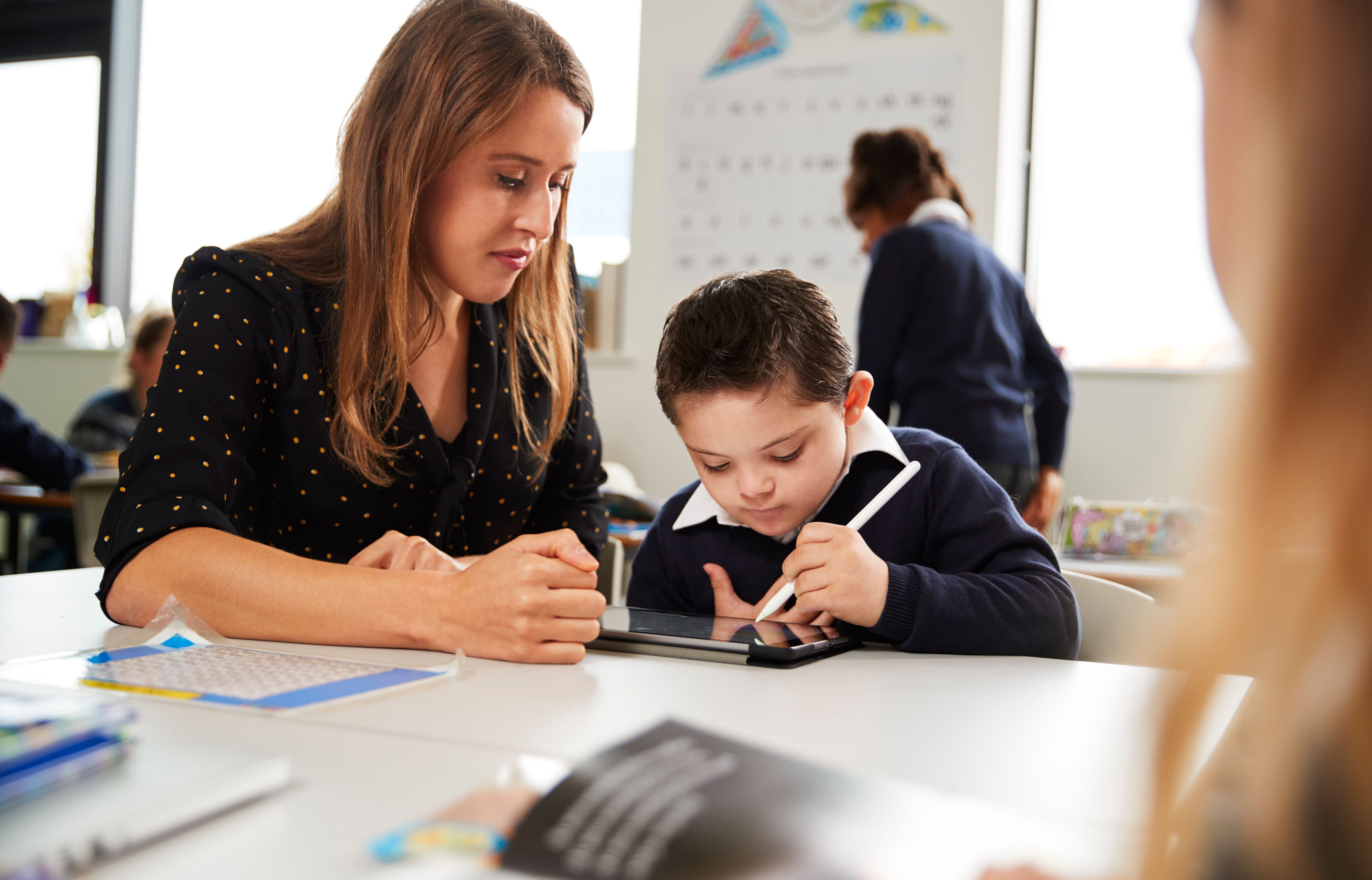
The Key Components of an IEP
An effective IEP includes several essential components. These components work together to create a comprehensive plan tailored to the student's needs:
- Current Performance: An assessment of the student's current academic and functional performance.
- Goals: Specific, measurable objectives that the student is expected to achieve over the year.
- Services: Details of the special education services and supports that will be provided.
- Progress Monitoring: Methods for tracking and reporting the student's progress towards goals.
Each of these components plays a vital role in creating an effective educational strategy for the student, ensuring that their unique needs are addressed.
Developing an IEP
The development of an IEP is a collaborative process involving educators, specialists, and the student's family. This team works together to assess the student's strengths and challenges, setting realistic and achievable goals. Regular meetings are held to discuss progress and make necessary adjustments to the plan.

Parents play a crucial role in this process by providing valuable insights into their child's needs and strengths. Their involvement ensures that the IEP is comprehensive and reflective of the student's best interests.
Monitoring and Reviewing Progress
Once an IEP is implemented, continuous monitoring is essential to ensure that the student is on track to meet their goals. Regular progress reports and meetings allow the team to evaluate the effectiveness of the plan and make necessary adjustments.
If a student is not making anticipated progress, the team may reconvene to analyse potential obstacles and modify the plan. This flexibility ensures that the IEP remains relevant and effective throughout the student's educational journey.

The Importance of Communication
Open and ongoing communication between all parties involved in an IEP is critical. Regular updates and discussions help to ensure that everyone is aligned and working towards the same objectives.
Parents should feel empowered to ask questions and express concerns. Likewise, educators should provide clear and detailed information about the student's progress and any changes to the IEP.
Conclusion
Decoding an IEP may seem daunting at first, but understanding its components and processes can empower parents and educators alike. By working together, they can create a supportive and effective educational experience that meets the unique needs of each student.
Ultimately, the goal of an IEP is to provide a pathway for success, ensuring that every student has the opportunity to thrive academically and personally.